Table Of Content

Laser treatment slows regrowth and is a longer term solution. Possible side effects of this method are blistering, scarring and loss of skin color (dyspigmentation). Your health care provider is likely to diagnose ingrown hair by looking at your skin and asking about your hair removal habits.
Can staph infections clear up on their own?
People with skin problems like burns or eczema may be more likely to get staph skin infections. Folliculitis barbae is an itchy and sometimes tender papulopustular eruption of hair follicles in skin areas prone to shaving, such as the beard-line in men. It also occurs in women who shave their legs and bikini area. Gram-negative folliculitis occurs most often when a person uses oral antibiotics, particularly tetracyclines. It could also develop after long-term use of topical antibiotics, where antibiotic-resistant bacteria grow on different parts of the body, including the scalp.
Rat Urine Is Spreading a Life-Threatening Bacterial Illness in Humans and Dogs
While an infection can come from an ingrown hair itself, bacteria on hands, tweezers, or other implements used to remove the hair can also be a cause. Popping an ingrown hair can increase you chance of it becoming infected. This can help ease the ingrown hair out of the skin on its own.
More on Skin Problems and Treatments
UFC 299 Fight Cast Into Doubt, Fans Speculate Benoit Saint-Denis Struck Down With Nasty Staph Infection - LowKick MMA
UFC 299 Fight Cast Into Doubt, Fans Speculate Benoit Saint-Denis Struck Down With Nasty Staph Infection.
Posted: Thu, 07 Mar 2024 08:00:00 GMT [source]
It’s also good to know what triggers your folliculitis so you can avoid those things in the future. For example, if you know that you get folliculitis after going in a hot tub, then you might want to make sure the chemicals are at full-strength before getting in. The most common are skin infections, which can either be minor and heal in a few days or be quite severe and take some time to heal.
Folliculitis, Boils, and Carbuncles
For example, prescription steroid creams can reduce inflammation, and prescription-strength antibiotic creams can treat the infection. Staph infections come from a bacterium called Staphylococcus aureus that is present naturally on the skin. It can cause serious problems, such as sepsis, if it enters a person’s bloodstream.
Unsanitary food preparation
A staph infection at the surface of the skin may heal with just a few days of treatment. However, if a large sore or wound has developed, it may require several weeks of treatment or longer. The recovery time for a staph infection depends on the type and severity of the infection, as well as the strength of a person’s immune system. A person with staph food poisoning should drink plenty of fluids to stay hydrated. Doctors do not prescribe antibiotics to treat staph food poisoning. Severe illness is rare, but some people may require intravenous fluids for dehydration from persistent vomiting or diarrhea.
The treatment for staph infection depends on the stage of the infection and whether the strain you have is antibiotic-resistant (as MRSA is). Early on, Staphylococcus is confined to a small area, usually discolored and sore. If not, it can spread until it’s treated with antibiotics. An infected ingrown hair can in rare cases become life-threatening. This removes a dead layer of skin cells and helps release ingrown hairs.
The bacteria will enter the body through the skin and cause infection. Ingrown hairs can be painful and unsightly, often appearing as red bumps or pus-filled blisters. They can cause itching, inflammation, and in some cases, infection. If left untreated, an ingrown hair can lead to the development of a staph infection, a type of bacterial infection that can be difficult to treat. Boils near the vagina are caused by bacteria that enter through the skin and infect a hair follicle. Keeping your genital area clean and practicing good hygiene is the best way to prevent recurring boils.
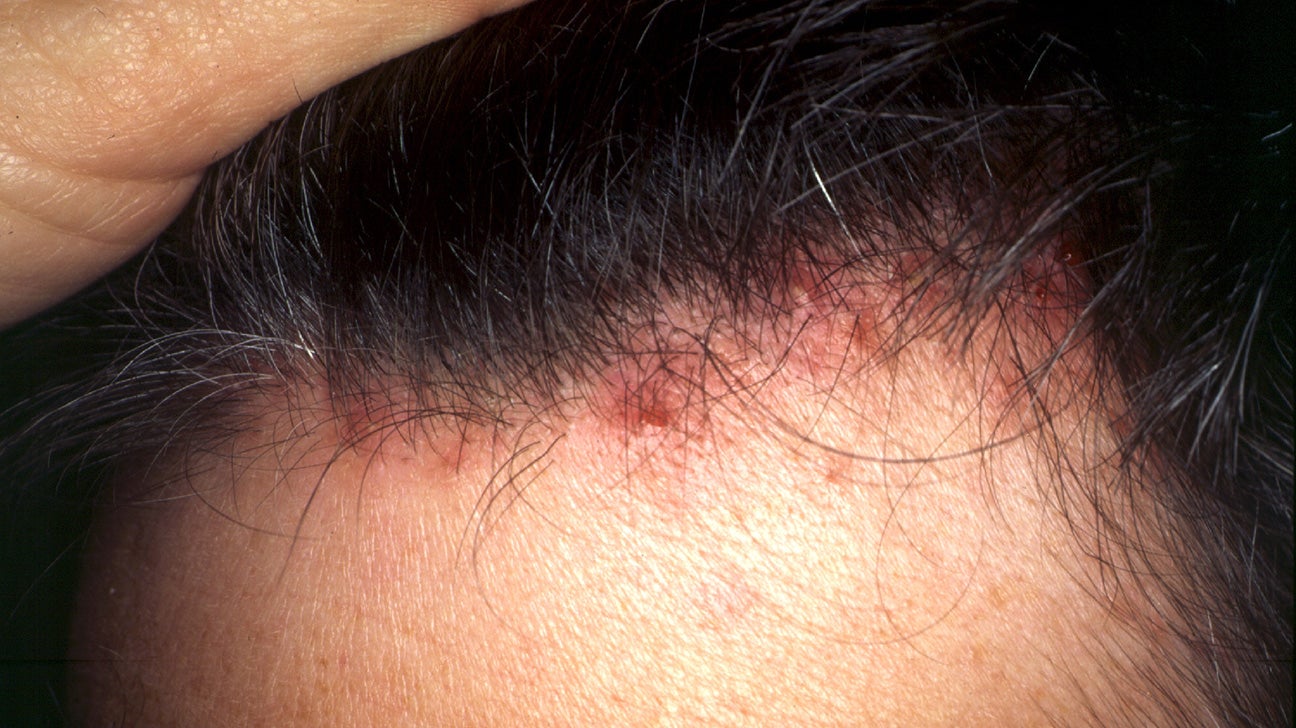
This condition, sometimes called “hot tub folliculitis” or “hot tub dermatitis,” is caused by the bacterium Pseudomonas aeruginosa. It begins anytime from 6 hours to 5 days after the exposure. Areas of skin covered by a bathing suit, such as the torso and buttocks, are the most common sites. Sometimes a healthcare professional will drain a boil or carbuncle by making a small incision in the lesion to drain the pus.
Healthcare providers also prescribe oral antibiotics (taken by mouth) to treat staph infections inside your body and on your skin. The antibiotic will vary depending on the type of infection. In severe staph infections, providers use IV (intravenous) antibiotics to kill the bacteria. Sometimes the bacteria enter the skin through a hair follicle, small scrape, or puncture, although often there is no obvious point of entry.
Pseudofolliculitis barbae, also known as barber’s itch or razor burn, is a type of folliculitis that develops from ingrown hairs. Razor burn usually leads to clusters of tiny, red bumps on the lower face, genitals, and other areas where a person regularly shaves. Treatment for an infected ingrown hair depends on the type and severity of the infection. Your healthcare provider, often a dermatologist, will offer treatment options like hair extraction, ointments, and oral medications as needed. Folliculitis is the inflammation of hair follicles due to an infection, injury, or irritation.
If the infection is severe or causes a lot of pain, you may need to have the boil drained or your provider may prescribe an antibiotic. This is because it is easy for a hair follicle to become infected with bacteria. The symptoms of folliculitis, boils, and carbuncles may resemble other skin conditions. Always talk with your healthcare provider for a diagnosis. Pseudofolliculitis barbae (caused by ingrown hairs) is treated by a number of methods with varying success.
Interest in these substances is rising, in part because some germs have become resistant to some types of medications. MRSA stands for methicillin-resistant Staphylococcus aureus. MRSA is one type of staph infection, but it’s one that is harder to treat. Since a staph infection can become serious very quickly, you should contact your provider right away if you have signs of a staph infection. Only a healthcare provider can diagnose and treat a staph infection. An ingrown hair occurs when a hair that has been shaved, waxed, or plucked begins to grow back into the skin.
Food handlers who don't properly wash their hands can transfer staph bacteria from their skin to the food they're preparing. The bacteria multiply in the food and produce toxins that make you sick. Foods that are contaminated with staph bacteria do not look or taste differently. Staph bacteria can spread easily through cuts, scrapes and skin-to-skin contact. Staph infections may also spread in the locker room through shared razors, towels, uniforms or equipment. Because staph bacteria are so hardy, they can live on objects such as pillowcases or towels long enough to transfer to the next person who touches them.
Boils will start out small but can grow as big as a golf ball. Sometimes folliculitis goes away without medical treatment. For example, it might help to apply a warm, moist washcloth to the affected skin, followed by an anti-itch cream. Talk with your health care provider about the risks of the treatments you're considering. Staphylococcus aureus cause most staph skin infections, and also can release toxins (poisons) that lead to illnesses like food poisoning or toxic shock syndrome. Staph is the shortened name for Staphylococcus (staf-uh-low-KAH-kus), a type of bacteria.
Make an appointment with your health care provider if your condition is widespread or the symptoms don't go away after a week or two of self-care measures. You may need a prescription-strength antibiotic or antifungal medication to help control the condition. Mild folliculitis will likely heal without scarring in a few days with basic self-care. More-serious or repeat infections may need prescription medicine. Left untreated, severe infections can cause permanent hair loss and scarring.


No comments:
Post a Comment